
Traveling to Bhutan from Europe is now easier than before, thanks to good flight connections and smooth transit options. You can start your journey from cities like London, Paris, Frankfurt, or Zurich.
Since there are no direct flights, you will need to take a connecting flight through places like Bangkok, Singapore, Delhi, or Dubai. From there, you can easily catch a flight to Bhutan. Planning a trip to Bhutan from Europe may seem complicated, but with the right steps, it can be a smooth and rewarding experience. Known for its stunning landscapes, rich culture, and focus on happiness, Bhutan is a unique destination worth exploring.
What This Guide Covers
- Understanding Bhutan as a Destination – An overview of Bhutan, its culture, and why it is a unique travel destination.
- Visa Requirements and Entry Rules – Important information about visas and the Sustainable Development Fee (SDF).
- How to Travel to Bhutan from Europe – Flight routes, transit hubs, and airline options since there are no direct flights.
- Best Time to Visit Bhutan – Seasonal insights to help you plan your trip effectively.
- Top Places to Visit in Bhutan – Key attractions like Paro, Thimphu, and Punakha.
- Things to Do in Bhutan – Activities such as trekking, cultural experiences, and wellness retreats.
- Accommodation Options – From luxury hotels to budget stays and homestays.
- Travel Tips and Cultural Etiquette – Important do’s and don’ts for a smooth and respectful journey.
- Packing Essentials – What to carry for different seasons and travel conditions.
1. Why Visit Bhutan? A Unique Himalayan Experience.
Bhutan, often called the “Land of the Thunder Dragon,” is a small country in the Himalayas between India and China. It is known for its beautiful mountains, peaceful atmosphere, and strong cultural traditions. What makes Bhutan special is that it focuses on happiness and well-being, not just money. This idea is called Gross National Happiness. For travellers from Europe, Bhutan is a great place if you are looking for something different peace, nature, and culture all in one trip.
Some of the main highlights of Bhutan are:
- Stunning Himalayan mountains and green valleys
- Beautiful monasteries and traditional forts (dzongs)
- Colorful Tshechu festivals with dances and music
- Clean and untouched nature, perfect for trekking and exploring
Bhutan is not just a place to visit, it’s a place to slow down and experience a different way of life.
2.Visa and Entry Rules
a. Visa Requirements
Most travellers need a visa to visit Bhutan. However, citizens of India, Bangladesh, and the Maldives do not require one.
If you’re travelling from Europe, you can apply for a visa online through Bhutan’s immigration website. That said, many travellers prefer booking through a licensed tour operator, as they can handle the visa process for you and make everything much easier.
b. Documents Required
To apply for a Bhutan visa, you’ll need:
- A copy of your passport
- A recent passport-sized photograph. (usually in JPEG format)
- A passport valid for at least six months from your travel date.
- Travel insurance. (not mandatory, but strongly recommended)
- A Bhutan Visa is mandatory for all international travellers.
- Processing Time: The visa application process typically takes 1-2 weeks. Ensure you submit your documents well in advance of your travel date. A visa clearance letter is required and must be presented to immigration officials upon arrival.
- Cost: The visa fee for Bhutan is generally included in the tour package cost. The visa fee is around $40 USD, plus extra charges (~$50 USD transaction fee). This fee is paid directly to the tour operator, who will submit it to the Bhutanese authorities on your behalf.
c. Sustainable Development Fee (SDF)
Bhutan follows a “high-value, low-impact” tourism policy to protect its culture and environment. Because of this, all visitors need to pay a Sustainable Development Fee (SDF). The fee is USD 100 per person, per night. This money helps support free healthcare, education, and the preservation of Bhutan’s environment and traditions.
For children:
- Under 5 years: Free
- 6 to 11 years: USD 50 per night
Important Rule About Stay Duration
• If you stay less than 8 days. (up to 7 days)You must pay $200 USD per person per night.
• If you stay 8 days or more, you pay $100 USD per person per night.
| Age | SDF | Permit (Indian Passports only) |
|---|---|---|
| 0 – 5 years old | free of cost | 1200 INR / night |
| 6 – 11 years old | $50 USD / night | – |
| Above 12 years | $100 USD / night | – |
3. Book Through a Licensed Tour Operator
Bhutan follows a regulated tourism policy. This means you must book your trip through an official tour operator. Packages usually include accommodation, meals, transport, and a guide, making planning easier.
4. Travel Logistics
a. Flights to Bhutan
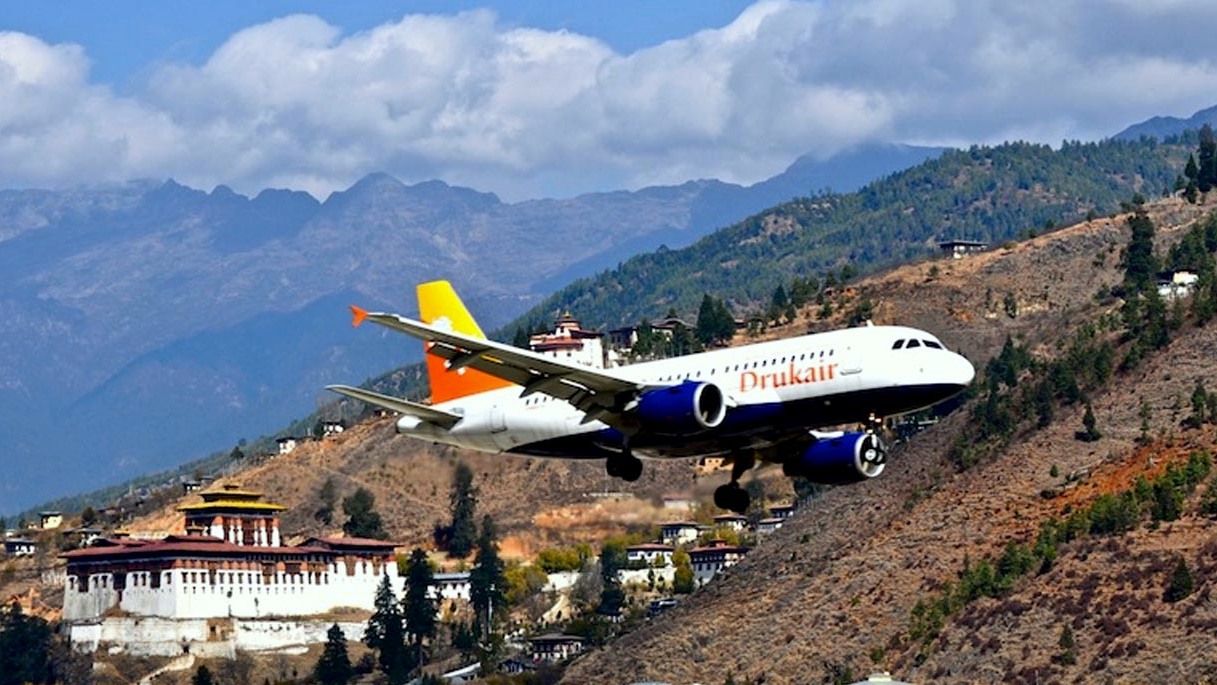
When planning your trip to Bhutan, flights are an important part of the journey. Since there are no direct flights from Europe, you will need to travel via a connecting city. Most travellers fly from major European cities to transit hubs like Bangkok, Delhi, Singapore, or Kathmandu. From there, you can catch a direct flight to Paro International Airport, the main entry point into Bhutan.
Flights to Bhutan are operated by DrukAir and Bhutan Airlines. These airlines offer regular connections from nearby Asian cities, making the journey smooth and well-connected. One of the highlights of flying to Bhutan is the landing experience at Paro. The airport is surrounded by mountains, and the views during the flight are truly beautiful.
Even though the journey involves a stopover, it is well-organized and easy to plan. Once you arrive in Paro, you’ll be ready to start your Bhutan adventure.
b. Fly via Singapore
Singapore is a major travel hub with direct flights from cities like London, Paris, Frankfurt, Zurich, and Amsterdam. Airlines such as Singapore Airlines, British Airways, and Lufthansa offer comfortable flights with convenient schedules. Many European travellers can enter Singapore visa-free for up to 90 days, making it ideal for a short stopover. You can easily explore the city’s main attractions even during a layover.
Drukair operates direct flights between Singapore and Paro twice a week.
Singapore to Paro:
Flights run on Thursdays and Sundays.
- Flight KB541 departs at 12:30 PM from Singapore Changi Airport and arrives at Paro International Airport at 4:45 PM.
- There is a short stop in Guwahati for refueling (passengers stay on board).
c. Fly via India
Drukair operates direct flights between New Delhi and Paro five times a week.
New Delhi to Paro:
Flights run on Tuesdays, Wednesdays, Fridays, Saturdays, and Sundays.
- Flight KB201 departs at 12:30 PM and arrives in Paro at 3:20 PM.
Paro to New Delhi:
Flights run on the same days.
- Flight KB200 departs at 9:40 AM and arrives in New Delhi at 11:30 AM.
d. Fly via Nepal
Drukair operates direct flights between Kathmandu and Paro four times a week.
Paro to Kathmandu:
Flights run on Mondays, Wednesdays, Fridays, and Sundays.
- Flight KB400 departs at 7:00 AM and arrives in Kathmandu at 8:00 AM.
Kathmandu to Paro:
Flights run on the same days.
- Flight KB401 departs at 9:00 AM and arrives in Paro at 10:20 AM.
5. Planning Your Itinerary
a. Best Time to Visit
- Spring (March–May): Flowers are in full bloom, and you can enjoy festivals like Paro Tshechu.
- Autumn (September–November): Clear skies and amazing views of the Himalayas. Perfect for trekking and photography.
- Winter (December–February): Cold but peaceful. A great time to see black-necked cranes in Phobjikha Valley.
- Summer (June–August): Monsoon season, with lots of greenery and fewer crowds.
b. Top Attractions
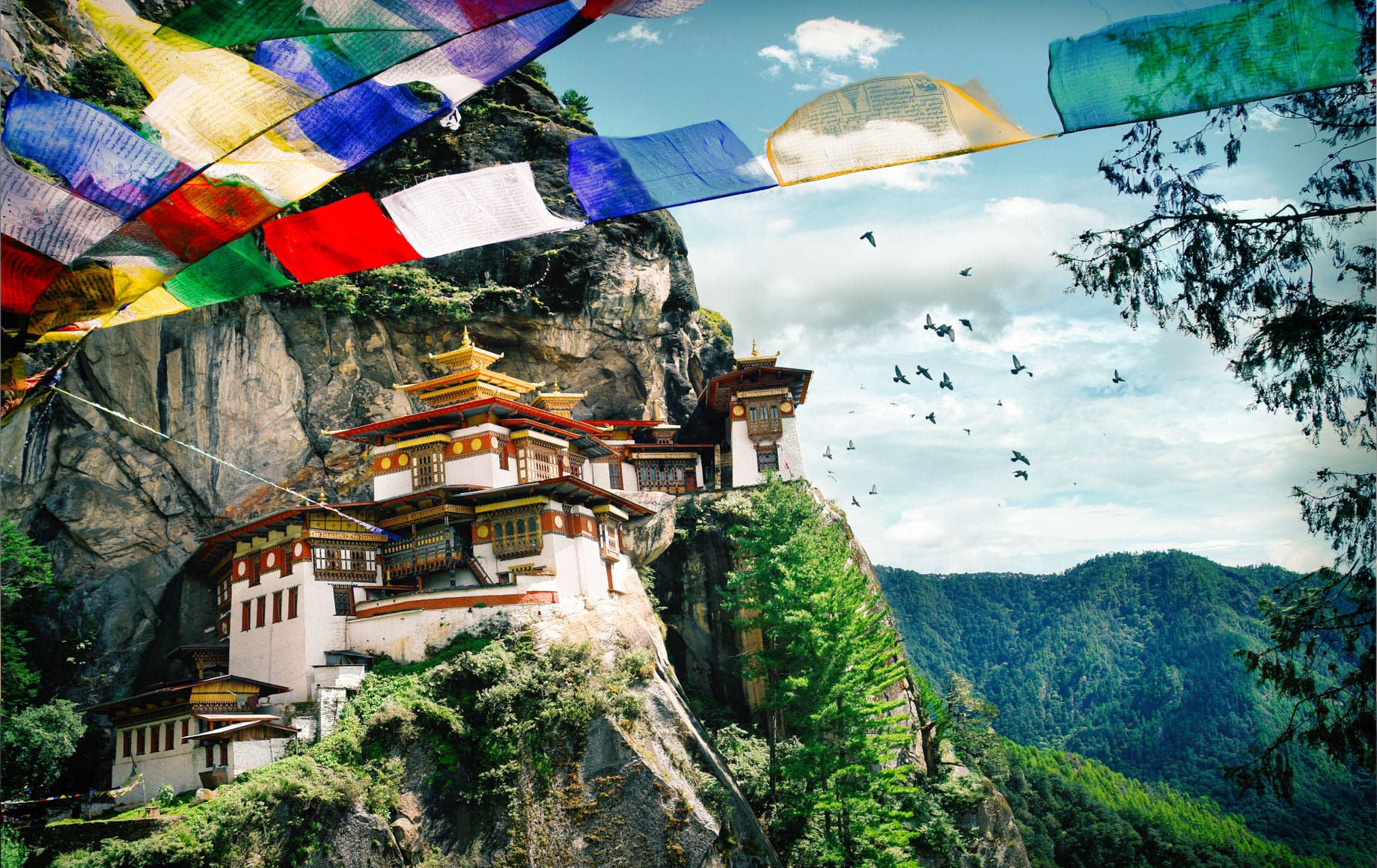
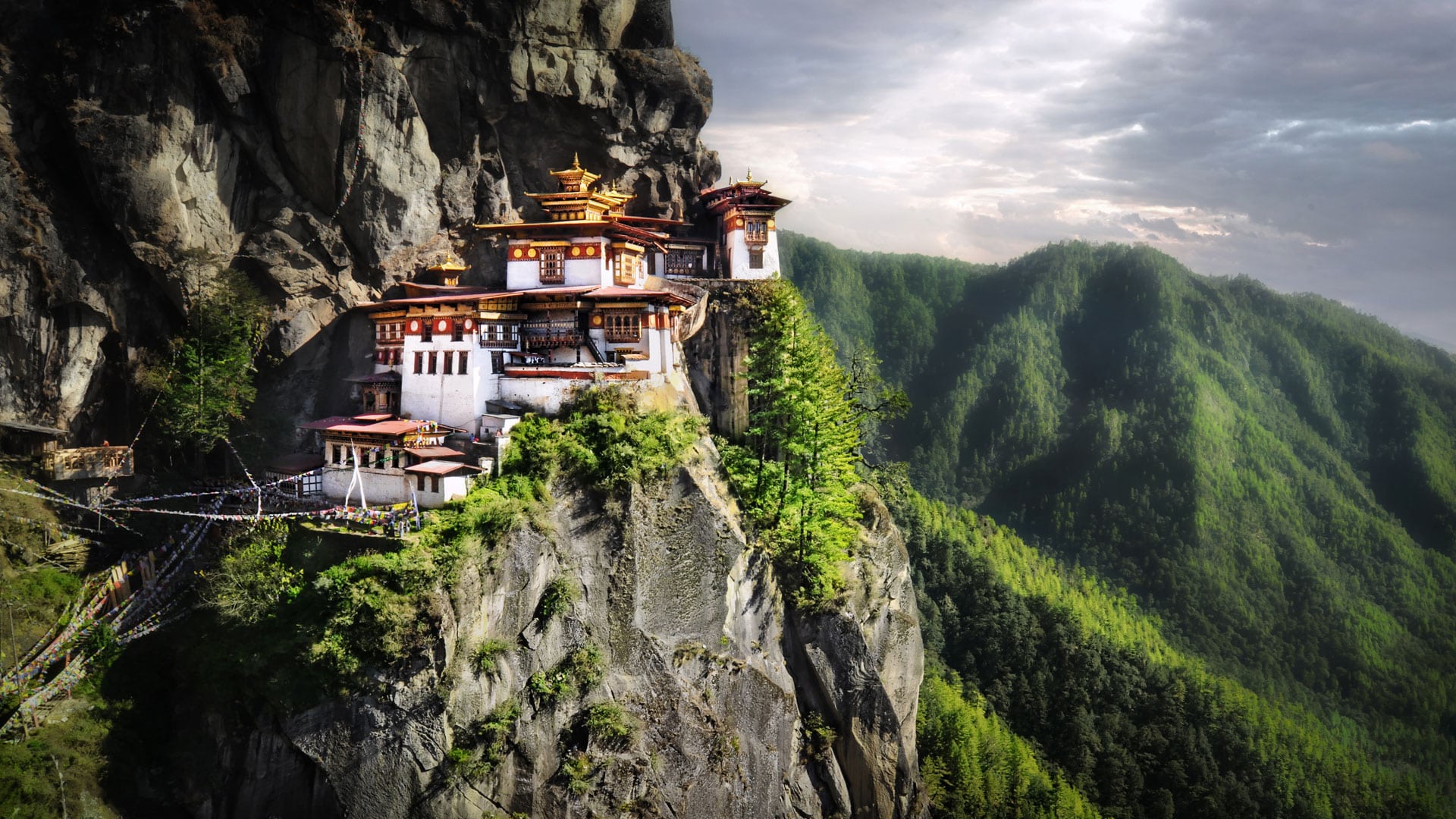
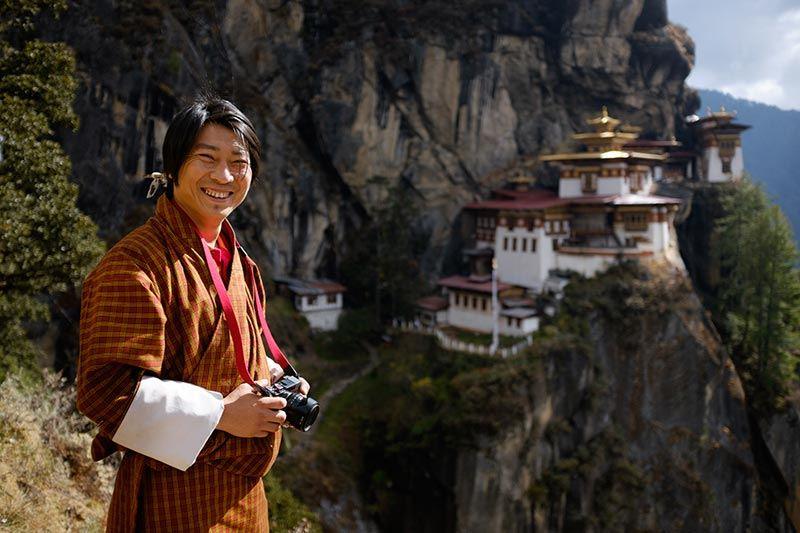
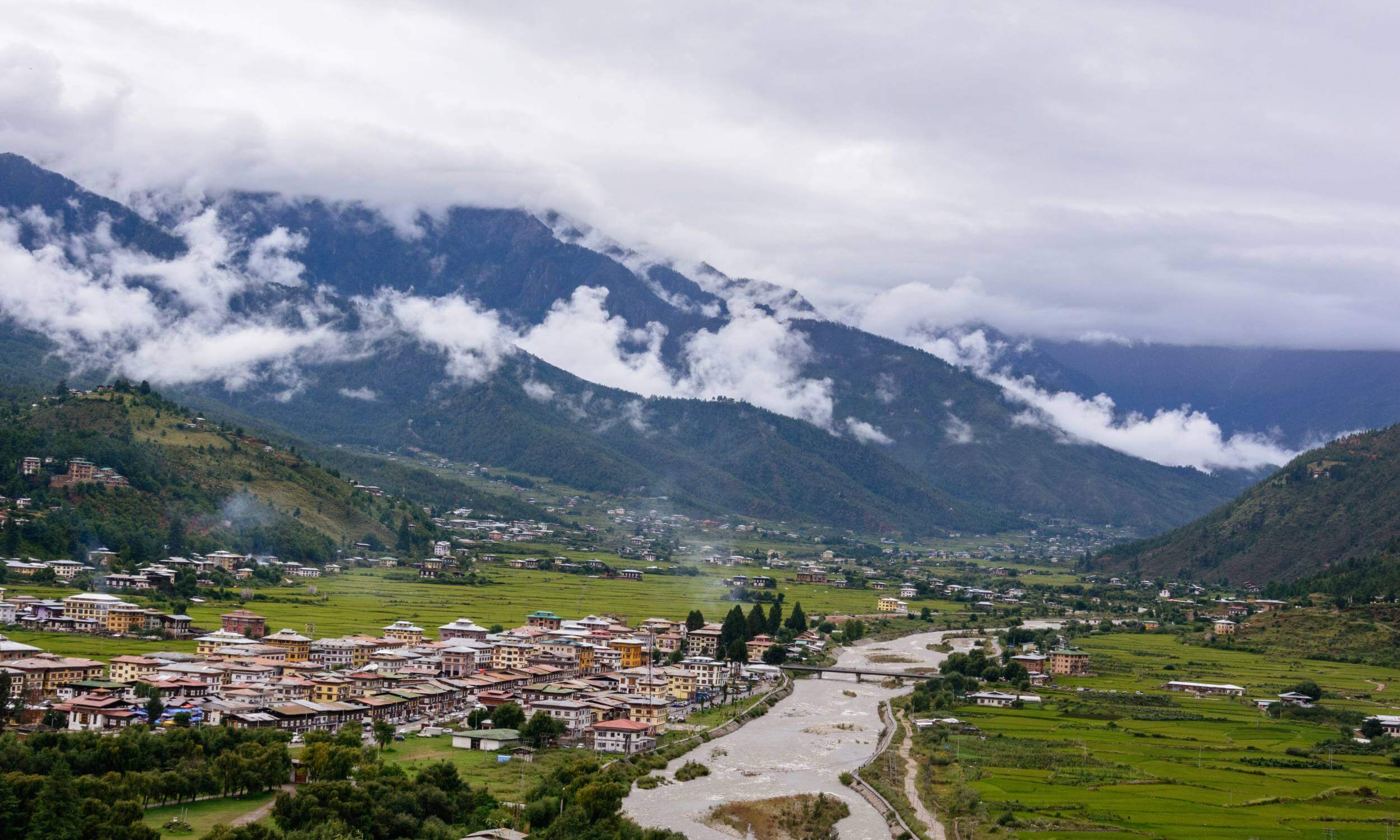
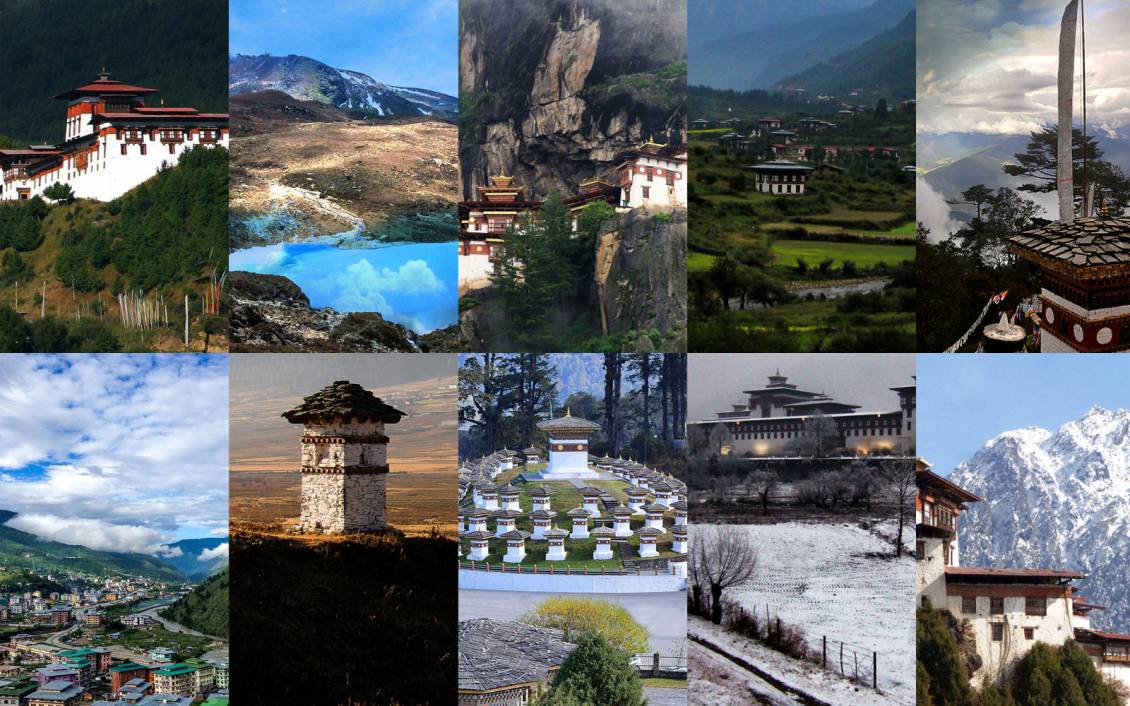
- Paro Taktsang (Tiger’s Nest Monastery): A famous monastery built on a cliff. You can reach it by a scenic hike.
- Buddha Dordenma: A huge 54-meter golden Buddha statue in Thimphu, symbolizing peace and prosperity.
- Punakha Dzong: A beautiful fortress located where two rivers meet, known for its stunning design.
- Phobjikha Valley: A quiet and scenic valley, famous for black-necked cranes in winter.
- Bumthang: Known as the cultural heart of Bhutan, filled with old temples and monasteries.
c. Activities
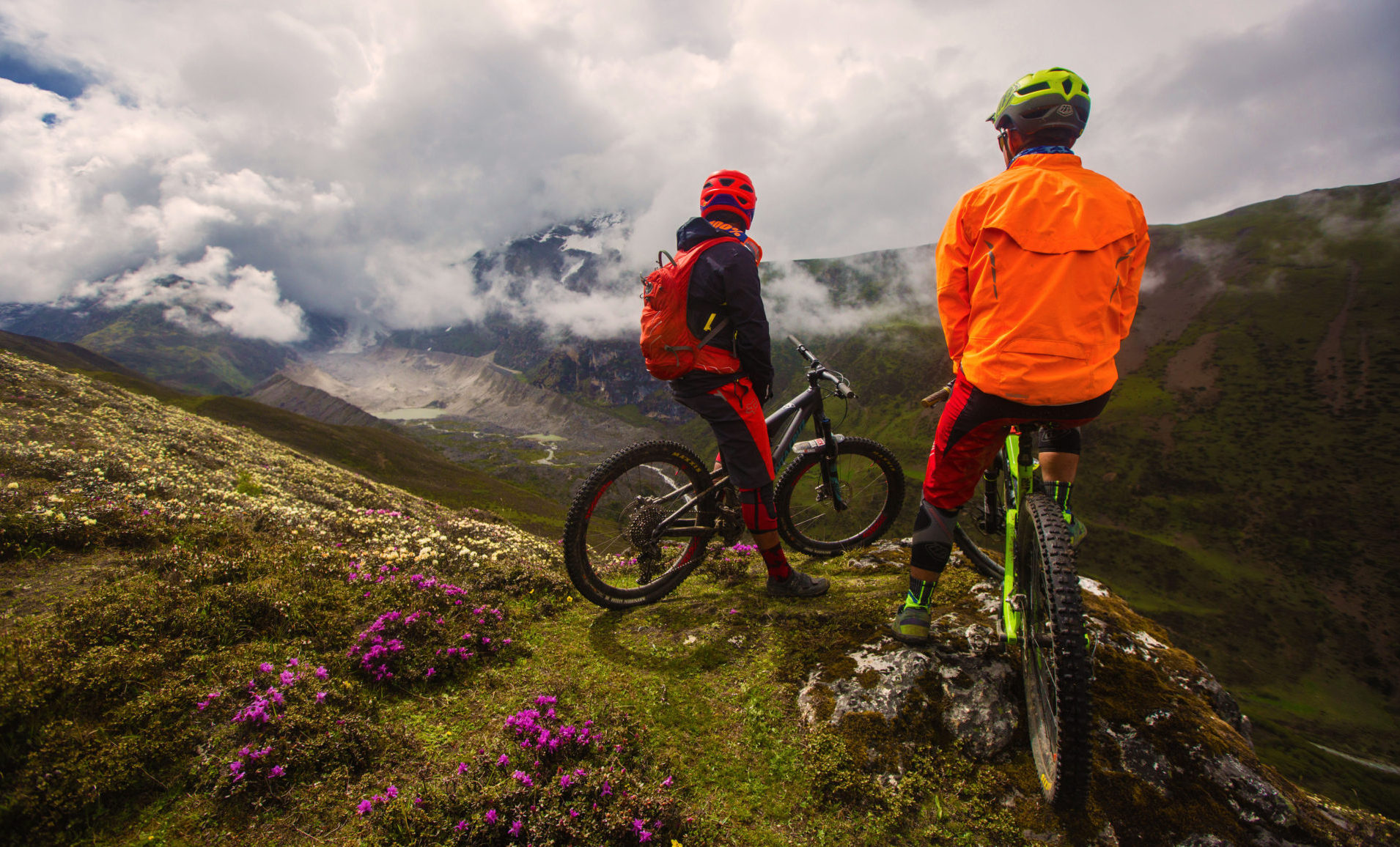
- Trekking: Enjoy beautiful hikes like the Druk Path Trek and the Jomolhari Trek.
- Cultural Festivals: See traditional dance, music, and rituals at festivals like Paro Tshechu and Thimphu Tshechu.
- Wellness: Relax with a traditional hot stone bath or try meditation in peaceful monasteries.
6. Accommodation Options
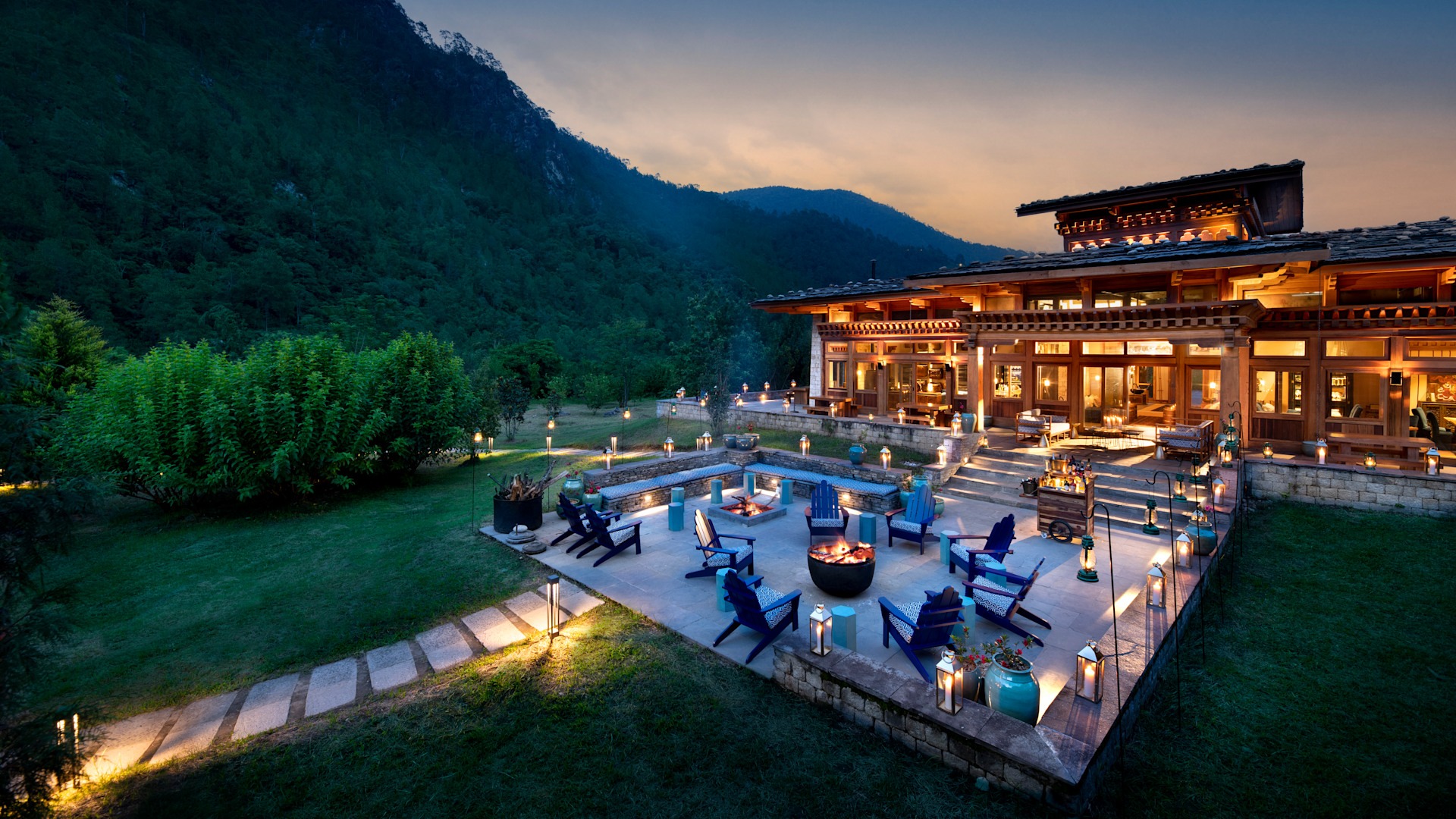
Bhutan has places to stay for every budget:
- Luxury: Hotels like COMO Uma Bhutan, Amankora Bhutan, Postcard Dewa Thimphu, Le Méridien Thimphu, and Pemako Bhutan offer top-class comfort and service.
- Mid-Range: Good and comfortable options include Hotel Zhiwa Ling, Zhideychen Resort, Bhutan Peaceful Residency and Spa, and Rema Resort.
- Traditional Homestays: Stay with local families to experience Bhutanese culture, home-cooked food, and warm hospitality.
All stays arranged by your tour operator meet government standards for quality and comfort.
7. Cultural Etiquette and Tips
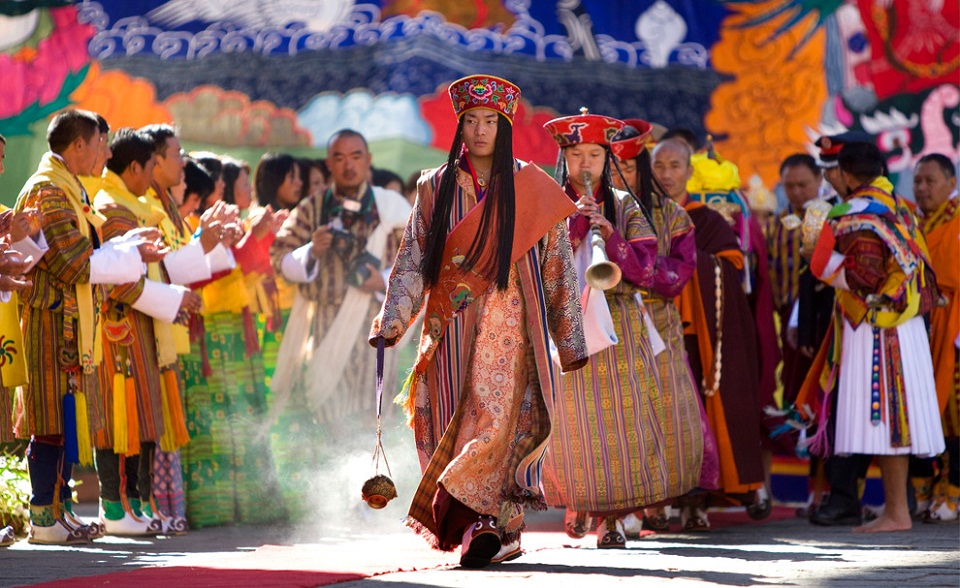
- Respect Local Customs: Dress modestly, covering your shoulders and knees, especially at religious places. Avoid pointing at sacred objects or turning your back on statues.
- Photography: Some temples and monasteries don’t allow photos, so always ask your guide first.
- Currency and Payment: The local currency is Bhutanese Ngultrum (BTN), and Indian Rupees are also widely accepted. Cards work in big hotels and shops, but it’s best to carry cash for smaller or rural places.
- Tipping: Not required, but it’s a nice gesture to tip guides and drivers if you’re happy with their service.
- Purchase SIM Cards: International SIM cards may not work in Bhutan. Buy a local SIM card upon arrival if needed.
- Local Currency: The Bhutanese Ngultrum (BTN) is the local currency. It is advisable to exchange some currency before your trip. US dollars are not widely accepted.
8. Packing Essentials
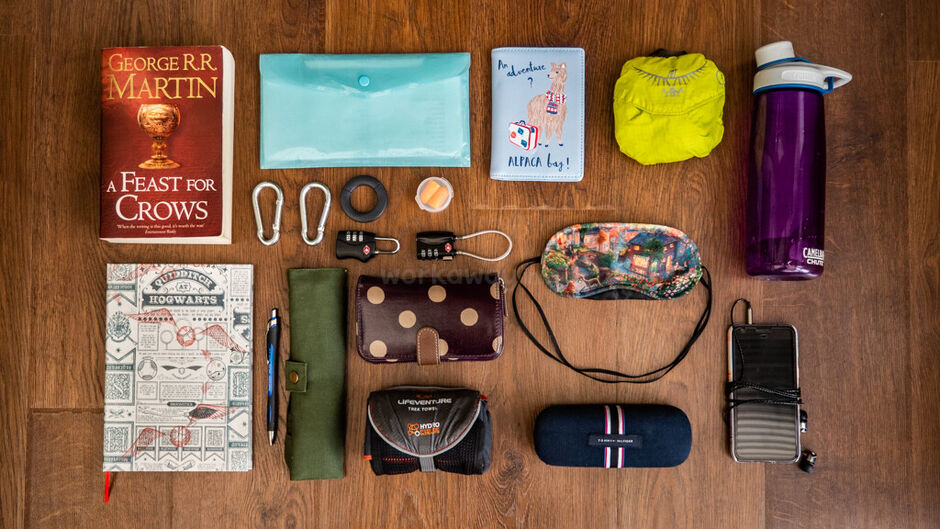
- Clothing: Pack layers for different weather. Light clothes for the day, a warm jacket for evenings, and rain gear if you’re visiting during monsoon.
- Accessories: Bring comfortable trekking shoes, sunglasses, a hat, and sunscreen.
- Tech Gear: Bhutan uses plug types D, F, and G with 230–240V. Carry a travel adapter.
- Personal Items: Keep your medicines, a reusable water bottle, and some snacks for long trips
- Local Currency: The Bhutanese Ngultrum (BTN) is the local currency. It is advisable to exchange some currency before your trip. US dollars are not widely accepted.
- ATMs: ATMs are available in major cities like Thimphu and Paro but may only sometimes be reliable. Carry enough cash to cover your expenses in remote areas.
Travelling to Bhutan from Europe involves a few steps, but it is well organized and easy if planned properly. With flights via major cities and guided tour packages, your journey becomes smooth and enjoyable. Bhutan offers a peaceful escape with culture, nature, and unforgettable experiences.